
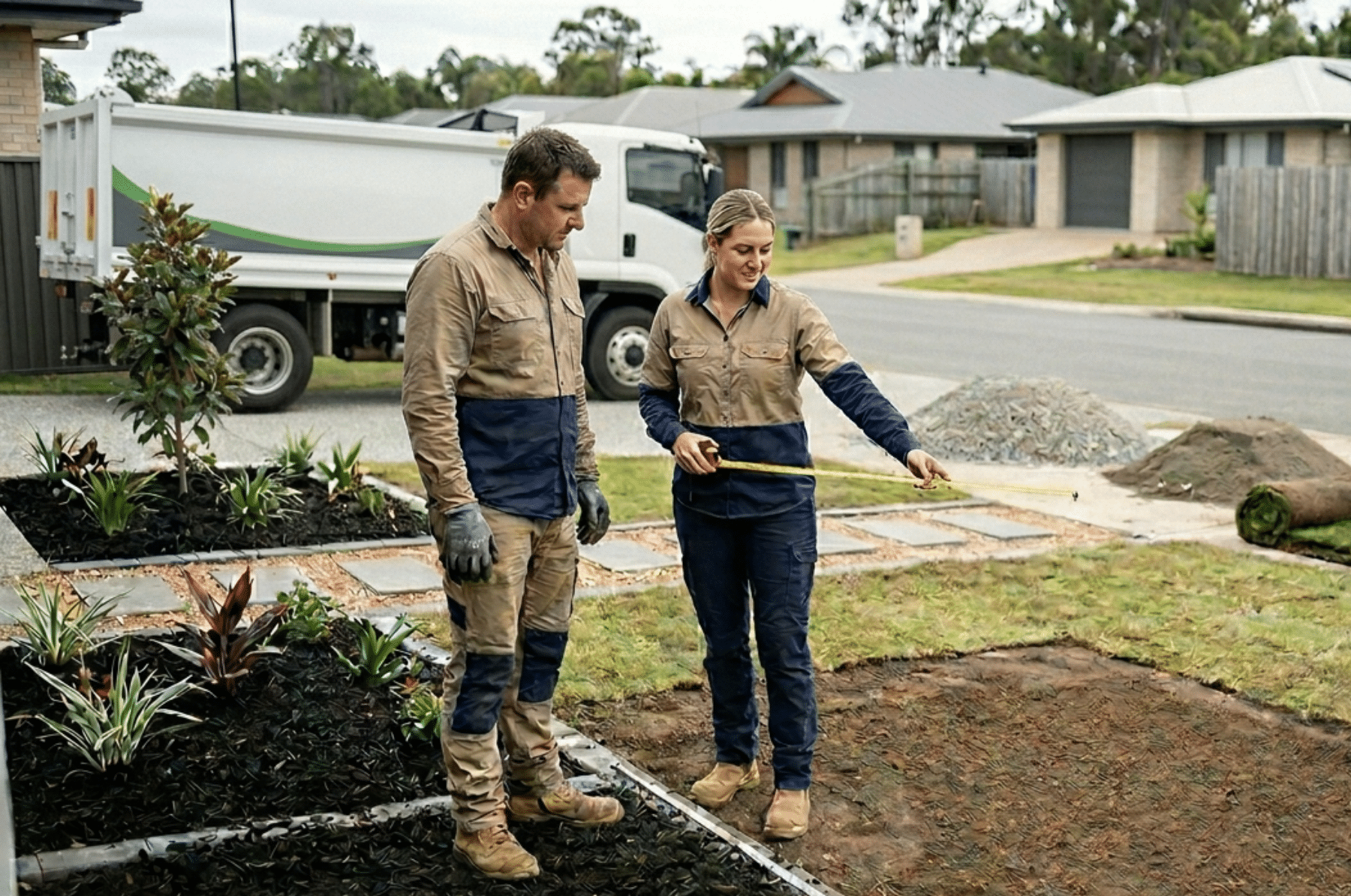
Winter is one of the best times to get your yard ready for bigger landscaping improvements in Caboolture. The weather is cooler, the ground often holds more moisture, and many garden areas are easier to assess before the heavy growing season returns.
Whether you are planning new turf, fixing wet patches, improving garden beds, preparing paths, or ordering bulk landscaping materials, a little preparation can save time, money, and frustration. With the right landscape supplies Caboolture homeowners and tradies can set up their yards properly before spring growth kicks in.
Landscape City supplies soil, mulch, gravel, sand, turf underlay, road base, crusher dust, drainage materials, pavers and more from its Caboolture yard, helping local DIYers, landscapers and builders get the right materials in the right quantities.
Why Winter Is a Good Time to Plan Yard Improvements in Caboolture
Winter gives you a useful window to slow down, inspect your yard and plan practical improvements before the warmer months arrive. In Caboolture and surrounding South East Queensland areas, gardens can go through a lot during wet weather, dry spells and heavy summer growth. Winter is a good time to see what is working and what needs attention.
Cooler conditions also make physical yard work more manageable. Jobs like clearing garden beds, spreading mulch, moving soil, installing drainage gravel, laying road base or preparing turf underlay are much easier when you are not working through peak summer heat.
Winter planning is especially useful for:
- Fixing drainage issues before storm season
- Preparing soil for new turf or garden beds
- Rebuilding paths, paver bases and outdoor areas
- Mulching garden beds to protect roots and reduce weeds
- Ordering bulk landscape supplies before spring demand increases
- Cleaning up old garden material and making space for new projects
Good preparation also helps you avoid rushing decisions. Instead of guessing what you need, you can inspect the site, measure properly and speak with a local supplier about the most suitable materials.
For anyone looking for landscape supplies Caboolture locals can rely on, winter is a smart time to plan ahead and get your materials organised.
Inspect Your Yard for Drainage, Erosion and Soft Ground Issues
Before ordering soil, mulch, gravel or sand, walk around your yard after rain and look closely at how water behaves. Winter often makes drainage problems easier to spot because low areas stay wet longer and compacted ground may become soft or boggy.
Check for signs such as:
- Water pooling near patios, paths, sheds or retaining walls
- Muddy patches where lawn struggles to grow
- Soil washing away from garden beds or slopes
- Soft ground under foot traffic areas
- Pavers becoming uneven or unstable
- Water running toward the house instead of away from it
- Exposed tree roots or washed-out soil
These issues should be addressed before cosmetic landscaping begins. Laying turf over poor drainage, spreading mulch over erosion problems, or installing pavers on an unstable base can lead to bigger repairs later.
For wet problem areas, drainage gravel can help move water through the ground more effectively. Road base and crusher dust may be useful where you need a compacted foundation for paths, driveways, sheds or paved areas. The right solution depends on the site, water flow, soil type and intended use.
If you are unsure what material suits your project, bring measurements, photos or a rough sketch to your local landscaping supply yard. The team at Landscape City can help you work through practical options based on Caboolture conditions.
Clear Weeds, Debris and Old Garden Materials Before You Start
Once you have inspected the yard, clear away anything that will get in the way of proper preparation. This is one of the simplest steps, but it has a big impact on the final result.
Remove:
- Weeds and invasive grass runners
- Fallen branches, palm fronds and leaves
- Old mulch that has broken down unevenly
- Dead plants and root clumps
- Loose rocks and rubble
- Damaged edging or broken pavers
- Leftover building materials
- Old plastic weed matting if it is blocking water movement
Clearing the area lets you see the true shape and condition of the ground. It also helps new materials, such as soil, loam, turf underlay or mulch, sit evenly and perform as intended.
For garden beds, remove weeds from the roots where possible. Simply covering weeds with fresh mulch may only hide the problem for a short time. If weeds are widespread, consider clearing the bed in stages, then topping it with a quality mulch or bark layer to help suppress regrowth.
For lawn areas, remove stones, sticks and old turf clumps before adding underlay. A clean base makes levelling easier and helps new turf establish with fewer bumps and weak spots.
Improve Soil, Loam and Turf Underlay Before Laying New Lawn
A healthy lawn starts with the right foundation. If you are planning to lay new turf in winter or preparing the area for spring, pay close attention to the soil below the grass. Poor preparation often leads to patchy turf, poor root growth, drainage issues and uneven surfaces.
Start by checking the existing soil. In many yards, the top layer may be compacted, sandy, clay-heavy or low in organic matter. New turf needs a level, well-prepared base that allows roots to establish properly.
Common turf preparation steps include:
- Removing old grass, weeds and debris
- Loosening compacted soil
- Improving levels and filling low spots
- Adding quality turf underlay
- Lightly compacting and screeding the surface
- Checking drainage before turf is installed
- Watering appropriately after laying
Turf underlay is especially important because it creates a suitable growing layer between the existing ground and new lawn. It can help improve root contact, moisture retention and surface consistency.
Landscape City supplies turf, soils, sands, loam and turf preparation materials for Caboolture lawns. Whether you are replacing worn patches or completing a full backyard upgrade, choosing the right base materials will make a noticeable difference.
A practical tip is to avoid laying turf directly onto hard, uneven or poorly draining ground. Even quality turf can struggle if the foundation is not prepared correctly.
Choose Mulch and Bark to Protect Garden Beds Through Winter
Mulch is one of the most useful winter landscaping materials for Caboolture gardens. It helps protect soil, reduce weed growth, regulate moisture and give garden beds a clean, finished look.
During winter, mulch can help insulate plant roots and reduce erosion from rain. As the weather warms again, it also helps soil hold moisture for longer, which is valuable in South East Queensland conditions.
Common mulch and bark uses include:
- Freshening up front gardens
- Protecting established trees and shrubs
- Reducing exposed soil in garden beds
- Improving the appearance of feature areas
- Helping suppress weeds
- Supporting moisture retention around plants
When applying mulch, avoid piling it hard against tree trunks or plant stems. Leave a small gap around the base of plants so moisture does not sit directly against the stem and cause rot.
A general garden bed mulch layer is often around 50 mm to 75 mm deep, depending on the material and purpose. Too thin and it may not suppress weeds effectively. Too thick and it can reduce airflow and water movement.
Barks and mulches are available in different textures and finishes, so choose based on the look you want and the job it needs to do. A decorative bark may suit visible garden beds, while a more functional mulch may be better for larger coverage areas.
Use Drainage Gravel, Road Base and Crusher Dust for Wet Weather Problem Areas
Wet weather can reveal weak points in a yard quickly. Areas that become muddy, unstable or slippery may need more than soil or mulch. In many cases, a stronger base or drainage layer is the better solution.
Drainage gravel is commonly used where water needs to move through or away from an area. It can be helpful around drains, behind retaining walls, beside paths or in low spots where water collects.
Road base is useful where you need a compacted structural layer. It is often used for driveways, access tracks, shed bases, hardstand areas and paths that need strength and stability.
Crusher dust is commonly used as a compactable finishing or bedding material. It can help create a firm, level surface for paths, pavers and landscaping areas when installed correctly.
These materials are often used for:
- Muddy side access areas
- Garden paths
- Drainage trenches
- Paver preparation
- Shed and slab preparation
- Driveway repairs
- Wet low-traffic zones
- Utility areas around the yard
The key is to match the material to the problem. For example, drainage gravel is not the same as road base. One helps water move, while the other helps create a stable compacted foundation. Using the wrong material can cause poor drainage, movement or early failure.
Landscape City supplies drainage gravel, road base and crusher dust in Caboolture and Morayfield areas, with practical advice for DIY and trade projects.
Prepare Paths, Pavers and Outdoor Areas with the Right Sand and Base Materials
Paths, pavers and outdoor living areas need a stable foundation. Winter is a great time to prepare these areas because you can identify soft ground, water movement and uneven levels before installing new surfaces.
A strong paver or path base usually involves several layers. These may include compacted road base, bedding sand or crusher dust, depending on the design, site conditions and intended use.
Before starting, consider:
- How much foot traffic or vehicle traffic the area will receive
- Whether the ground becomes wet or soft after rain
- Where water will drain
- How high the finished surface needs to sit
- Whether edging or restraints are needed
- Whether the area connects to patios, lawns or garden beds
Sand is often used for levelling, bedding and paving preparation. Different sands suit different jobs, so it is worth checking which sand is right before ordering. Clean, consistent sand helps create a smoother result and reduces the chance of uneven settling.
For paved areas, do not rely on sand alone if the ground underneath is unstable. A properly prepared and compacted base is essential for long-term performance.
This is where local advice matters. A Caboolture landscaping supply yard can help you choose between sand, crusher dust, road base and other base materials based on your project.
Work Out How Much Soil, Mulch, Gravel or Sand You Need
Ordering the right quantity is one of the most important parts of yard preparation. Too little material can interrupt the job, while too much can leave you with a messy pile and wasted spend.
Most landscape supplies are calculated in cubic metres. To estimate volume, use this simple formula:
Length x width x depth = cubic metres
Make sure all measurements are in metres.
For example, if a garden bed is 6 metres long and 2 metres wide, and you want mulch at 0.075 metres deep, the calculation is:
6 x 2 x 0.075 = 0.9 cubic metres
For a lawn area, if you are preparing 50 square metres with 50 mm of turf underlay, the calculation is:
50 x 0.05 = 2.5 cubic metres
As a guide from Landscape City:
- 1 box trailer is approximately 0.666 cubic metres
- 2 box trailers are approximately 1.333 cubic metres
- 3 box trailers are approximately 2 cubic metres
- 4 box trailers are approximately 2.333 cubic metres
These trailer estimates can help you decide whether pickup is practical or whether delivery makes more sense.
When measuring, add a small allowance for uneven ground, compaction and spreading variation. However, avoid guessing too generously, especially for small yards where leftover material can be difficult to store.
Decide Between Trailer Pickup and Bulk Delivery in Caboolture
Once you know how much material you need, decide whether to pick it up yourself or arrange delivery. Both options can work well depending on your project size, vehicle access and schedule.
Trailer pickup can be ideal for:
- Small garden bed top-ups
- Weekend DIY jobs
- Minor path repairs
- Small quantities of sand, mulch or soil
- Projects where you want to work gradually
Bulk delivery is usually better for:
- New lawn preparation
- Large mulch jobs
- Driveway or path base projects
- Multiple material orders
- Trade and construction work
- Jobs where time and labour matter
Landscape City supplies from a shovel full to a truck load, which helps reduce waste and makes it easier to buy only what you need. For larger projects, the business offers free delivery on any 10 m³ load to Caboolture, Morayfield, Bribie, Narangba and surrounding areas. Delivery is also available across nearby areas including Elimbah, Burpengary, Beerburrum, Woodford, Deception Bay and more.
If you need a truck load, you can call Nick and the team for “Mates Rates” on 10 m³ loads in the Caboolture area.
Keep in mind that a temporary 5% fuel levy applies to all sales and is reviewed regularly.
Common Winter Yard Preparation Mistakes to Avoid
Winter yard preparation can make your landscaping project easier, but there are a few common mistakes that can cause problems later.
Avoid these issues where possible:
- Ignoring drainage before installing new materials
If water pools now, it will likely keep causing trouble after new turf, mulch or pavers are installed. - Ordering materials without measuring
Guessing often leads to over-ordering, under-ordering or multiple trips. - Using the wrong base material
Drainage gravel, road base, crusher dust and sand each serve different purposes. - Laying turf over compacted or uneven ground
Turf needs a prepared base, good soil contact and appropriate underlay. - Spreading mulch too thickly around plant stems
Mulch should protect soil, not smother plants. - Skipping compaction for paths and paver areas
A weak base can lead to movement, dips and uneven surfaces. - Leaving weeds under new mulch or soil
Weeds can grow back quickly if they are not properly cleared first. - Choosing materials based only on price
Cheap materials may cost more later if they do not suit the job.
A little planning helps avoid these setbacks. Before you start, inspect the site, measure carefully and match each material to its purpose.
Conclusion
Preparing your Caboolture yard for winter landscaping projects is all about getting the foundation right. Start by checking drainage, erosion and soft ground. Clear old garden materials, improve soil where needed, protect garden beds with mulch, and choose the right base products for paths, pavers and wet areas.
When you know how much soil, mulch, gravel or sand you need, it becomes much easier to choose between trailer pickup and bulk delivery. For local homeowners, tradies and DIYers, working with a trusted supplier can also help prevent costly mistakes.
For quality landscape supplies Caboolture locals can count on, visit Landscape City at 32-36 Wildlily Road, Caboolture, or call 07 5499 0299. The team can help with soil, mulch, gravel, sand, turf, road base, crusher dust, drainage materials and more, from a shovel full to a truck load.
Get your winter yard preparation sorted now, so your next landscaping project starts on solid ground.

Leave a Comments